
About Anna-Lena Joerg, trauma-informed somatic psychotherapist

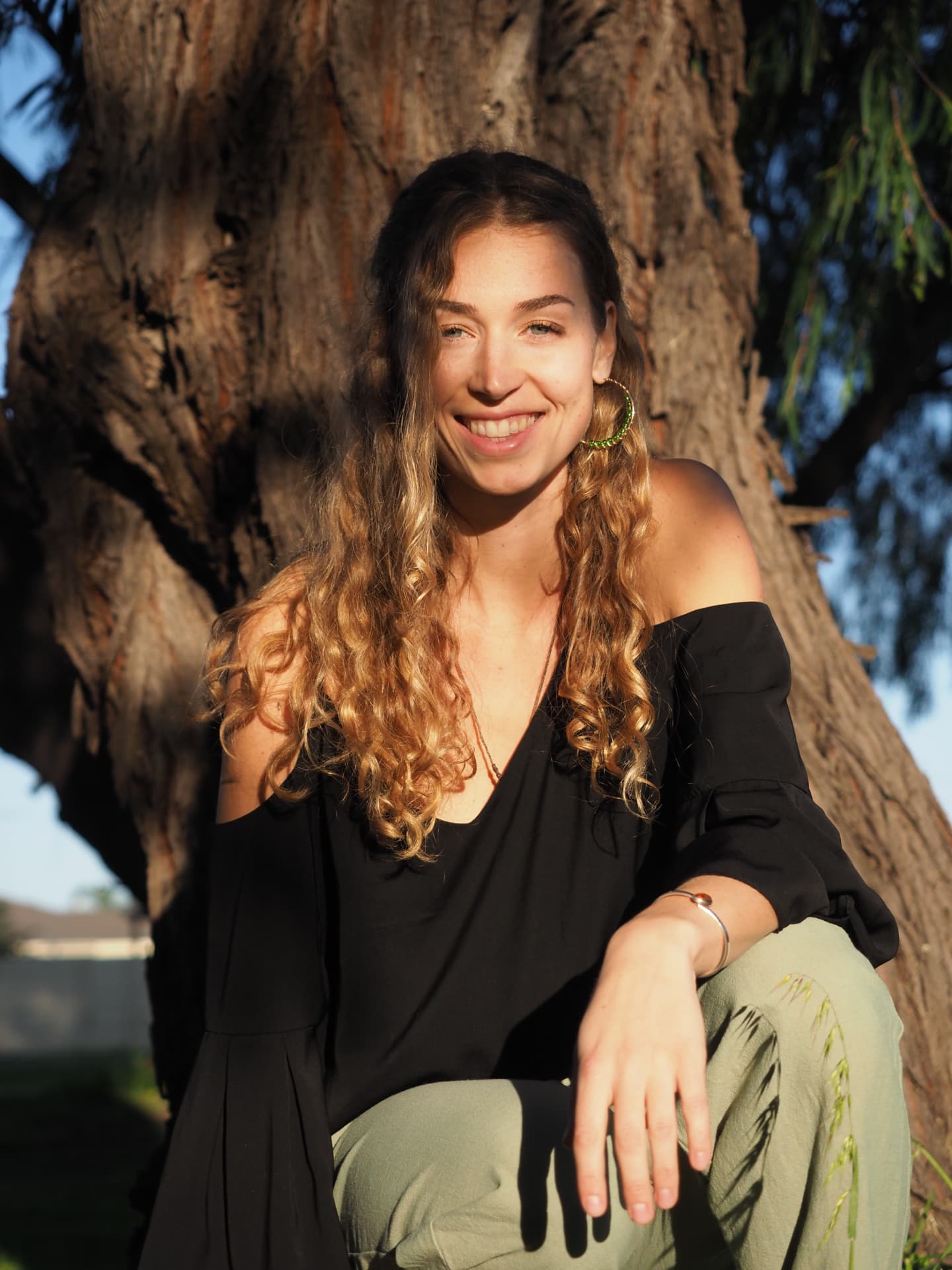
Anna-Lena, a somatic psychotherapist, smiling outdoors beside a tree near water

I'm a trauma-informed somatic psychotherapist, trained in Body Psychotherapy and Core Energetics.

What drew me to this work was a growing curiosity about what allows people to genuinely change: to experience themselves differently, not only understand themselves differently.

That shift happens when something moves from being known into being felt.

Anna-Lena seated indoors with psychotherapy books and a leafy plant

When safety becomes a lived experience. When there's more room for connection, expression, or simply being ourselves.

I believe somatic therapy can offer a place for that kind of exploration: a safe space for you to bring all of you, and for your nervous system to experience new ways of being.

I named this practice Alive because I'm interested not only in what we want to be free from, but what we want to be free for:

connection, creativity, and the fuller experience of being alive.

How I understand this work

I don't see the people I work with as problems to be solved.

I see protective patterns that once made sense, wounds that deserve respect, and, underneath them, a person with an intact capacity for healing, creativity and connection.

My approach

The thinking beneath the work, layer by layer.

01

Toward aliveness, not only symptom relief

Symptoms and struggles matter, and they deserve careful attention. But the aim of this work is wider than making difficulties smaller.

It is about becoming more available to sensation, emotion, creativity, desire, connection, grief, anger, pleasure: to meaningful participation in your own life.

02

The intelligence of protective patterns

The ways we protect ourselves developed for good reasons. Around emotional injuries and unmet needs, patterns form that once kept us safe. They are not flaws to be eliminated.

Yet over time they can become restrictive, and can begin to feel like the whole of who we are. They are not. The wound is not the whole person.

03

Body and psyche are one person

We are psychosomatic unities: body and psyche are aspects of a single whole.

Psychological experience is embodied, expressed through breath, posture, tension, movement and emotion, as much as through thought and language.

04

What makes somatic psychotherapy different

This is psychotherapy: talking, reflection and psychological understanding are central to it. The difference is a recognition that some patterns are implicit, learned through experience rather than conscious reasoning.

You can understand a pattern perfectly and still repeat it. Such patterns may also need to be experienced differently in order to change, which is why the work can include body awareness, breath, grounding, movement and emotional expression when appropriate.

05

What Core Energetics contributes

Core Energetics, developed by physician and therapist John Pierrakos, provides the philosophical and methodological foundation of my work.

It understands the human being as more than their wounds and protective patterns, and trusts that the source of healing lies within the person, not in an outside agency.

The deeper philosophy

A few convictions this work rests on.

From fragmentation toward integration

Healing as a movement toward greater wholeness, connection and internal coherence.

More than our wounds

Symptoms, protective patterns and injuries matter, and they are never the entirety of a person.

An innate capacity

Within each person there is a capacity for healing, creativity and aliveness that the work seeks to make available.

Individual and relational

We heal as individuals, and we heal within relationships and the wider world we belong to.

Beyond repair

Healing is more than correcting what was damaged. It includes the possibility of becoming more fully engaged with life.

“Could this be the kind of therapy I have been looking for?”

If something here resonates, the next step is simply a conversation.

Get in touch